
What Can and Cannot Be Thrown in a Dumpster?
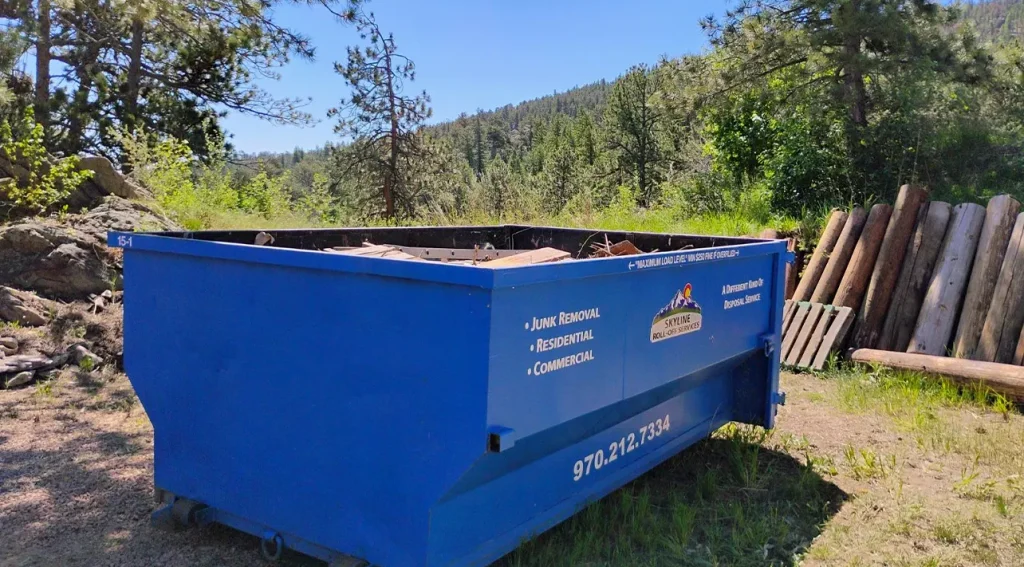
When renting a dumpster, it’s important to know what items can and cannot be disposed of to ensure a smooth and hassle-free experience. At Skyline Roll Off Services, we prioritize responsible waste management, and that starts with understanding the proper guidelines for what can be thrown in a dumpster. This guide will help you make informed decisions, avoid additional fees, and contribute to a cleaner environment.
What Can Be Thrown in a Dumpster?
- Household Debris:
- Furniture: Items like couches, chairs, tables, and mattresses are typically allowed.
- Appliances: Non-hazardous appliances such as refrigerators (with freon removed), ovens, and washing machines are acceptable.
- Electronics: Old TVs, computers, and other electronics can usually be disposed of, but it’s important to check local regulations as some areas may have specific e-waste guidelines.
- Construction and Renovation Materials:
- Wood and Lumber: Any type of wood, whether from demolition or new construction, can be disposed of in a dumpster.
- Drywall: Leftover drywall from renovation projects is acceptable.
- Roofing Materials: Shingles, tiles, and other roofing debris are typically allowed.
- Concrete, Brick, and Asphalt: Small amounts of these materials can be thrown in a dumpster, but larger quantities may require a specific type of container.
- Yard Waste:
- Branches and Shrubs: Any organic waste like branches, shrubs, grass clippings, and leaves can be placed in a dumpster.
- Dirt and Soil: Small amounts of dirt, soil, and sod are generally acceptable, but be aware of weight limits.
- General Waste:
- Non-Hazardous Household Waste: Everyday items such as clothes, toys, and non-toxic cleaning products can be disposed of.
- Paper and Cardboard: Recyclable materials like paper, cardboard, and packaging are also permissible.
What Cannot Be Thrown in a Dumpster?
- Hazardous Materials:
- Paints and Solvents: Oil-based paints, varnishes, and other solvents are classified as hazardous waste and must be disposed of according to specific local regulations.
- Asbestos: This highly hazardous material requires special handling and cannot be disposed of in a regular dumpster.
- Pesticides and Herbicides: Chemicals used for pest control or landscaping are considered hazardous and should be taken to a designated disposal facility.
- Electronics (E-Waste):
- Batteries: Car batteries, rechargeable batteries, and lithium-ion batteries are not allowed in dumpsters.
- Televisions and Monitors: While some electronic devices are permissible, CRT monitors and older TVs may require special disposal methods.
- Tires:
- Tires cannot be disposed of in dumpsters due to their potential to damage landfill equipment and their ability to trap gases.
- Medical Waste:
- Sharps and Needles: Medical sharps, needles, and other biohazardous waste are prohibited and must be disposed of through a medical waste service.
- Pharmaceuticals: Expired or unused medications should be returned to a pharmacy or a designated disposal location, not thrown in a dumpster.
- Flammable or Explosive Materials:
- Propane Tanks: These pose a significant fire hazard and are strictly prohibited.
- Gasoline and Oil: Flammable liquids like gasoline, motor oil, and other automotive fluids must be taken to a proper disposal facility.
Responsible Waste Management with Skyline Roll Off Services
At Skyline Roll Off Services, we are committed to providing our customers with reliable and environmentally responsible dumpster rental services. Knowing what can and cannot be thrown in a dumpster is crucial for ensuring compliance with local regulations and maintaining safety.
If you’re ever unsure about whether an item is permissible, our experienced team is here to help. Contact us for expert advice, and let Skyline Roll Off Services assist you in making your project as efficient and environmentally friendly as possible. Together, we can ensure that your waste is disposed of properly, keeping our communities clean and safe.